Japan Prefectures Weather Report Free updated Hourly 2025
MRPM Woodman
Japan Prefectures
Japan Prefectures Free Weather Report
🌏 Introduction to Japan's Weather Patterns
🗾 Japan's diverse geography—from snowy Hokkaido in the north to subtropical Okinawa in the south—creates a wide range of weather conditions throughout the year. This report provides a comprehensive overview of monthly weather trends across all 47 prefectures, helping travelers and residents plan accordingly.
🌡️ Average Temperature by Month
📊 Average temperatures in Japan vary significantly by region. Northern areas like Hokkaido experience sub-zero winters and mild summers, while southern regions such as Kyushu and Okinawa enjoy warmer climates year-round. Central regions like Tokyo and Osaka see four distinct seasons, with January averaging 5°C and August peaking around 31°C.
🌦️ Type of Weather by Month
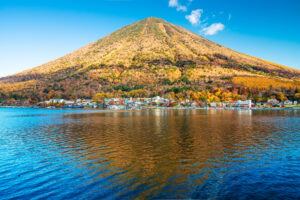
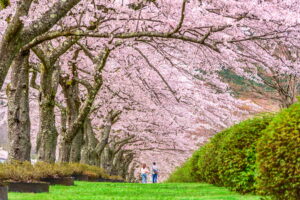
☁️ January to March brings cold, dry air with occasional snowfall in the north. April to June transitions into spring with cherry blossoms and increasing rainfall. July and August are hot and humid, often accompanied by typhoons. Autumn (September to November) offers crisp air and vibrant foliage, while December returns to cooler, drier conditions.
🔥 Hottest and Coldest Months
❄️ January is typically the coldest month, especially in northern prefectures like Hokkaido and Aomori. 🌞 August is the hottest, with temperatures soaring above 35°C in cities like Tokyo, Osaka, and Fukuoka. These extremes shape travel plans, clothing choices, and outdoor activities across the country.
📉 January: -6°C to 10°C (Hokkaido to Okinawa) 📉 February: -4°C to 12°C 🌡️ March: 0°C to 15°C. Northern regions remain cold with snow, while southern areas begin to warm up by March.
🌧️ Weather Types, Wind, Rain, Heat
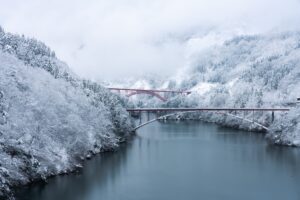
❄️ Snowfall is common in Hokkaido, Tohoku, and the Japan Sea coast. Central and southern regions experience dry, sunny days with occasional cold fronts. Winds from Siberia bring chill to the north, while the Pacific side remains relatively dry.
🧥 Clothes to Wear
🧣 January–February: Heavy coats, thermal layers, gloves, and scarves are essential in most regions. 🧥 March: Transition to lighter jackets and sweaters in central and southern Japan, though northern areas still require winter gear.
📈 Record Temperatures by Year
🌡️ Coldest: -41.0°C in Asahikawa, Hokkaido (1902) 🌡️ Warmest March: 26.3°C in Kochi (2013)
🗺️ Places to Visit
🎿 Niseko (Hokkaido) for skiing 🏯 Kyoto for winter temples 🌸 Kawazu (Shizuoka) for early cherry blossoms in March
⚠️ Notable Weather Incidents
🌨️ Heavy snowfall in Niigata (Feb 2022) disrupted transport. 🌬️ Cold wave in Jan 2023 caused record low temperatures in northern prefectures.
🌸 April: 8°C to 20°C 🌼 May: 13°C to 25°C 🌞 June: 18°C to 28°C. Spring transitions into early summer, with rising humidity and the onset of the rainy season (tsuyu) in most regions by mid-June.
🌦️ Weather Types, Wind, Rain, Heat
🌧️ April is mild and breezy with low rainfall. May brings stable, sunny weather ideal for travel. June marks the start of the rainy season, especially in Honshu and Kyushu, with frequent showers and high humidity levels.
👕 Clothes to Wear
🧥 April: Light jackets and long sleeves 👚 May: T-shirts, light trousers, and sun hats ☔ June: Waterproof jackets, umbrellas, and breathable fabrics to manage humidity
📈 Record Temperatures by Year
🌡️ Hottest May: 36.2°C in Saitama (2019) 🌡️ Wettest June: 500mm rainfall in Kagoshima (2020)
🗺️ Places to Visit
🌸 April: Kyoto for cherry blossoms 🌿 May: Kamikochi (Nagano) for alpine hiking 🌧️ June: Hakone for hot springs and misty lake views
⚠️ Notable Weather Incidents
🌧️ June 2021: Record-breaking rainfall in Kyushu caused landslides and evacuations. 🌬️ May 2020: Early heatwave in Tokyo with highs over 35°C.
🔥 July: 23°C to 33°C 🔥 August: 25°C to 35°C 🍂 September: 21°C to 30°C. These are the hottest and most humid months, with typhoon activity peaking in late summer.
🌪️ Weather Types, Wind, Rain, Heat
🌞 July and August are dominated by intense heat, high humidity, and strong UV levels. 🌬️ Typhoons frequently affect southern and coastal regions in August and September, bringing heavy rain and strong winds.
🩳 Clothes to Wear
🩱 July–August: Lightweight, breathable clothing, hats, sunglasses, and sunscreen are essential. 🧥 September: Light layers and rain gear for typhoon season.
📈 Record Temperatures by Year
🌡️ Hottest: 41.1°C in Kumagaya, Saitama (2018) 🌧️ Heaviest rainfall: 1,000mm in Kyushu during Typhoon Haishen (2020)
🗺️ Places to Visit
🎆 July: Tokyo for Sumidagawa Fireworks Festival 🏖️ August: Okinawa beaches 🍁 September: Nikko for early autumn foliage
⚠️ Notable Weather Incidents
🌪️ Typhoon Jebi (Sep 2018) caused major damage in Kansai. 🔥 August 2023: Tokyo recorded 20 consecutive days over 35°C, straining power and health systems.
🍁 October: 14°C to 24°C 🍂 November: 8°C to 18°C ❄️ December: 2°C to 12°C. Autumn cools steadily into winter, with crisp mornings and chilly nights, especially in northern and inland regions.
🌬️ Weather Types, Wind, Rain, Heat
🍂 October and November are dry and breezy, with clear skies and low humidity. ❄️ December brings colder air, especially in Hokkaido and the Japan Alps, with early snowfall in mountainous areas. Typhoon season tapers off by mid-October.
🧣 Clothes to Wear
🧥 October: Light jackets and sweaters 🧤 November: Medium coats, scarves, and layers 🧊 December: Winter coats, gloves, and thermal wear in northern and central Japan
📈 Record Temperatures by Year
🌡️ Warmest October: 33.5°C in Kochi (2013) 🌡️ Coldest December: -27.5°C in Asahikawa, Hokkaido (1984)
🗺️ Places to Visit
🍁 October: Nikko and Kyoto for peak autumn foliage 🍂 November: Nara for deer parks and fall colors 🎄 December: Sapporo for early snow and winter illuminations
⚠️ Notable Weather Incidents
🌪️ Typhoon No. 19 (Oct 2019) caused widespread flooding in Nagano and Chiba. ❄️ December 2022: Record snow in Niigata and Yamagata disrupted transport and power supply.
🌸 Best Month: April—for cherry blossoms, mild temperatures, and low rainfall. 🔥 Worst Month: August—extreme heat, high humidity, and frequent typhoons make travel uncomfortable.
🧭 Japan's weather offers a rich tapestry of seasonal experiences, from snow-covered mountains to subtropical islands. Understanding monthly trends helps travelers and residents prepare for both beauty and extremes.
📝 Summary
📅 Japan's climate spans four seasons with significant regional variation. Spring and autumn are ideal for travel, while summer and winter offer unique experiences for those prepared for heat or snow. Always check local forecasts and pack accordingly.
Japan is divided into 47 prefectures, each with its own unique geography, culture, and climate. These are grouped into eight regions, though the regions themselves are not official administrative units. Here’s a breakdown by region: