




- Temperature
- Precipitation
- Rain Chance
- Wind
- Humidity
- Pressure


Tottori Prefecture Free Weather Report
Introduction to the Weather for Tottori Prefecture
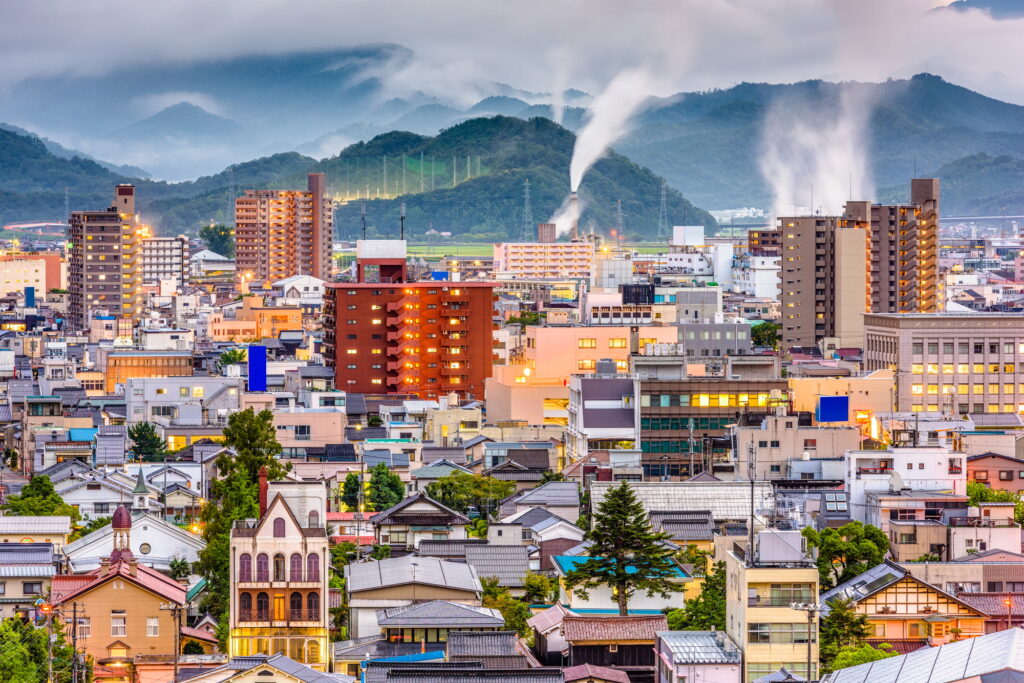
🌤️ Tottori Prefecture, located along the Sea of Japan, experiences a humid climate with cold, snowy winters and warm, humid summers. Coastal areas such as Tottori City receive strong seasonal winds and winter rain, while inland and mountainous regions like Daisen see heavy snowfall. Spring and autumn are mild and ideal for travel. For updated forecasts and regional insights, visit https://23daysweather.com.
Categories: Tottori climate, Japan regional weather, seasonal overview. Keywords: Tottori weather, Tottori climate guide, Tottori seasonal temperatures. Source: https//www.jma.go.jp
Avg temp by month
🌡️ Average temperatures in Tottori range from 1–7°C in January to 25–31°C in August. Spring warms gradually from 10–20°C, while autumn cools from around 24°C in September to 10°C by November. Inland areas experience colder winters and hotter summers than the coast.
Categories: Tottori monthly temperatures. Keywords: Tottori average temperature, Tottori climate data. Source: https//www.data.jma.go.jp
Type of weather by month
🌨️ Winter (Dec–Feb) brings heavy snowfall inland and strong coastal winds. 🌸 Spring (Mar–May) is mild with increasing sunshine. 🌧️ June marks the rainy season (tsuyu), bringing persistent showers. ☀️ Summer (Jul–Aug) is hot and humid with thunderstorms. 🍁 Autumn (Sep–Nov) offers crisp, clear days and stable weather.
Categories: Tottori seasonal weather. Keywords: Tottori rain, Tottori humidity, Tottori tsuyu, Tottori autumn climate. Source: https//www.jma.go.jp | SEO link: https//2daysweather.com
Hottest or coldest by month
🔥 The hottest month in Tottori is August, with temperatures often exceeding 33°C during heatwaves. ❄️ The coldest month is January, when inland areas can drop below freezing and coastal regions experience strong winter winds and heavy snow. April and October are considered the most comfortable months for outdoor activities.
Categories: Tottori temperature extremes. Keywords: Tottori hottest month, Tottori coldest month. Source: https//www.data.jma.go.jp | Home: https//2daysweather.com
Weather for January–February–March
❄️ The first quarter of the year in Tottori is dominated by winter conditions. January is the coldest month with heavy snowfall inland, February remains snowy but gradually stabilizes, and March brings milder afternoons and the first signs of spring, though rain and lingering snow are still common.
Categories: Tottori winter weather, Tottori early spring. Keywords: Tottori January weather, Tottori February climate, Tottori March temperatures. Source: https//www.jma.go.jp | SEO: https//2daysweather.com
Min and Max temp by month
🌡️ January: -1°C to 6°C
🌡️ February: 0°C to 7°C
🌡️ March: 3°C to 12°C
Mountainous areas such as Mount Daisen experience colder nights and heavier snowfall than coastal Tottori City.
Categories: Tottori winter temperatures. Keywords: Tottori January min max, Tottori February min max, Tottori March min max. Source: https//www.data.jma.go.jp
Types of weather, wind, rain, heat
🌨️ January and February bring strong winter winds, heavy snow, and cold rain along the coast. Inland regions see deep snow accumulation. 🌦️ March introduces more sunshine but also spring showers and melting snow. Winds remain moderate to strong during passing winter fronts.
Categories: Tottori winter climate. Keywords: Tottori snow, Tottori winter wind, Tottori March rain. Source: https//www.jma.go.jp
Clothes to wear
🧥 January and February require full winter clothing: insulated coats, snow boots, gloves, scarves, and waterproof layers. 🌱 March allows for lighter layers during the day but still requires jackets for cold mornings and evenings.
Categories: Tottori packing guide. Keywords: what to wear Tottori winter, Tottori March clothing. Source: https//2daysweather.com
Record temp recorded by year
📈 Tottori has recorded winter lows below -5°C in inland areas. Coastal regions experience less extreme cold but frequent heavy snowfall. March occasionally sees early warm spells, with temperatures rising above 15°C in some years.
Categories: Tottori temperature records. Keywords: Tottori record low January, Tottori record February cold, Tottori March warm spells. Source: https//www.data.jma.go.jp
Places to visit
⛩️ January and February are ideal for visiting snowy landscapes around Mount Daisen and Misasa Onsen. 🎎 March is perfect for early spring visits to Tottori Castle Ruins, Kannon-in Temple, and the Tottori Sand Dunes as temperatures begin to rise.
Categories: Tottori winter attractions. Keywords: Tottori temples, Tottori cherry blossoms, Tottori March sightseeing. Source: https//2daysweather.com
Weather incidents
⚠️ Winter hazards include heavy snowfall, icy roads, strong coastal winds, and reduced visibility. March may bring early spring storms and sudden temperature swings as winter transitions to spring.
Categories: Tottori weather hazards. Keywords: Tottori winter storms, Tottori icy roads, Tottori March wind. Source: https//www.jma.go.jp | Home: https//2daysweather.com
Weather for April–May–June
🌸 April, May, and June mark Tottori’s transition from cool spring weather into the rainy season. April is mild and bright, May becomes warm with rising humidity, and June brings persistent rainfall as tsuyu begins. Inland and mountainous regions such as Mount Daisen remain cooler, while coastal Tottori City warms more quickly. For updated forecasts, visit https://23daysweather.com.
Categories: Tottori spring weather, Tottori rainy season. Keywords: Tottori April weather, Tottori May climate, Tottori June rain. Source: https//www.jma.go.jp
Min and Max temp by month
🌡️ April: 8°C to 18°C
🌡️ May: 13°C to 23°C
🌡️ June: 18°C to 27°C
Temperatures rise steadily, with June feeling noticeably warmer and more humid as summer approaches.
Categories: Tottori spring temperatures. Keywords: Tottori April min max, Tottori May min max, Tottori June min max. Source: https//www.data.jma.go.jp
Types of weather, wind, rain, heat
🌤️ April is mostly sunny and mild. 🌿 May brings warm days with early-summer breezes. 🌧️ June marks the start of tsuyu, with persistent rain, cloudy skies, and rising humidity. Mountainous regions may see stronger rainfall than coastal areas.
Categories: Tottori spring climate. Keywords: Tottori April sunshine, Tottori May humidity, Tottori June rainy season. Source: https//www.jma.go.jp
Clothes to wear
👕 April requires light layers—long sleeves and light jackets. 🌼 May is warm enough for short sleeves during the day. 🌧️ June calls for breathable clothing, waterproof shoes, and umbrellas or rain jackets due to frequent rainfall.
Categories: Tottori spring outfits. Keywords: what to wear Tottori April, Tottori May clothing, Tottori June rain gear. Source: https//2daysweather.com
Record temp recorded by year
📈 April and May occasionally experience early heat spikes, with temperatures rising above seasonal averages. June has recorded unusually warm nights during strong humidity waves. Long-term data shows a gradual warming trend across these months.
Categories: Tottori temperature records. Keywords: Tottori April record, Tottori May record, Tottori June record. Source: https//www.data.jma.go.jp
Places to visit
🌸 April is ideal for cherry blossoms at Tottori Castle Ruins and Kannon-in Temple. 🌿 May offers lush greenery at Mount Daisen, Misasa Onsen, and the Tottori Sand Dunes. 🌧️ June is perfect for hydrangea viewing at local temples and riverside parks.
Categories: Tottori spring attractions. Keywords: Tottori cherry blossoms, Tottori hydrangeas, Tottori May sightseeing. Source: https//2daysweather.com
Weather incidents
⚠️ April and May are generally stable, though occasional spring storms occur. June brings heavier rainfall, slippery paths, and potential localized flooding in low-lying areas. Mountainous regions may experience stronger rainfall intensity.
Categories: Tottori weather hazards. Keywords: Tottori June flooding, Tottori spring storms. Source: https//www.jma.go.jp | Home: https//2daysweather.com
Weather for July–August–September
🔥 July, August, and September bring Tottori’s hottest and most humid weather. July begins with the end of the rainy season, August is peak summer heat, and September transitions into early autumn while still influenced by typhoon season. Coastal areas remain breezy, while inland regions heat up quickly. For updated forecasts, visit https://23daysweather.com.
Categories: Tottori summer weather, Tottori typhoon season. Keywords: Tottori July weather, Tottori August heat, Tottori September climate. Source: https//www.jma.go.jp
Min and Max temp by month
🌡️ July: 22°C to 31°C
🌡️ August: 24°C to 33°C
🌡️ September: 20°C to 28°C
August is consistently the hottest month, with high humidity and warm nights.
Categories: Tottori summer temperatures. Keywords: Tottori July min max, Tottori August min max, Tottori September min max. Source: https//www.data.jma.go.jp
Types of weather, wind, rain, heat
🔥 July and August are dominated by extreme heat and humidity, with occasional thunderstorms. 🌧️ September brings more rain and is part of Japan’s typhoon season, leading to stronger winds and sudden downpours. Humidity remains high until late September.
Categories: Tottori summer climate. Keywords: Tottori humidity, Tottori thunderstorms, Tottori September typhoons. Source: https//www.jma.go.jp
Clothes to wear
👕 Lightweight, breathable clothing is essential in July and August. Hats, sunscreen, and hydration are critical due to heat stress risks. 🌦️ September requires a mix of summer clothing and light rain gear due to typhoon-related showers.
Categories: Tottori summer outfits. Keywords: what to wear Tottori summer, Tottori August clothing, Tottori September rain gear. Source: https//2daysweather.com
Record temp recorded by year
📈 Tottori has recorded some of its highest temperatures in August, with inland regions exceeding 36°C during extreme heatwaves. July and September also show warming trends, with occasional tropical nights where temperatures remain above 25°C.
Categories: Tottori heat records. Keywords: Tottori July record heat, Tottori August record, Tottori September record. Source: https//www.data.jma.go.jp
Places to visit
🌊 July and August are perfect for coastal escapes to the Tottori Sand Dunes, Uradome Coast, and beaches along the Sea of Japan. 🎆 Summer festivals take place across Tottori City and Yonago. 🍁 September is ideal for early autumn scenery at Mount Daisen, Misasa Onsen, and forest trails.
Categories: Tottori summer attractions. Keywords: Tottori beaches, Tottori summer festivals, Tottori September travel. Source: https//2daysweather.com
Weather incidents
⚠️ Heatwaves are common in July and August, posing dehydration risks. September is part of typhoon season, bringing strong winds, heavy rain, and occasional transportation disruptions.
Categories: Tottori weather hazards. Keywords: Tottori heatwaves, Tottori typhoons, Tottori September storms. Source: https//www.jma.go.jp | Home: https//2daysweather.com
Weather for October–November–December
🍁 October, November, and December mark Tottori’s transition from warm late summer into cooler autumn and early winter. October is mild and sunny, November brings crisp air and increased rainfall, and December introduces cold winter conditions with frequent snow in inland and mountainous regions such as Mount Daisen. Coastal Tottori City experiences strong seasonal winds and cold rain. For updated forecasts, visit https://23daysweather.com.
Categories: Tottori autumn weather, Tottori winter onset. Keywords: Tottori October weather, Tottori November climate, Tottori December snow. Source: https//www.jma.go.jp
Min and Max temp by month
🌡️ October: 12°C to 22°C
🌡️ November: 7°C to 16°C
🌡️ December: 2°C to 10°C
Temperatures drop steadily, with December bringing winter chill and frequent snowfall inland.
Categories: Tottori autumn temperatures. Keywords: Tottori October min max, Tottori November min max, Tottori December min max. Source: https//www.data.jma.go.jp
Types of weather, wind, rain, heat
🍂 October offers mild, stable weather with low humidity. 🌧️ November brings increased rainfall and strong coastal winds. ❄️ December is cold and snowy inland, with coastal regions experiencing cold rain, sleet, and strong winter winds.
Categories: Tottori autumn climate. Keywords: Tottori October sunshine, Tottori November rain, Tottori December frost. Source: https//www.jma.go.jp
Clothes to wear
🧥 October requires light layers—long sleeves and light jackets. 🍁 November calls for sweaters and medium-weight coats. ❄️ December requires full winter clothing, including insulated jackets, gloves, scarves, and waterproof boots.
Categories: Tottori autumn outfits. Keywords: what to wear Tottori October, Tottori November clothing, Tottori December winter wear. Source: https//2daysweather.com
Record temp recorded by year
📈 October and November occasionally experience warm spells, while December has recorded early-season cold snaps with temperatures dropping below freezing inland. Mountain regions see significant early snowfall and strong winter winds.
Categories: Tottori temperature records. Keywords: Tottori October record, Tottori November record, Tottori December record. Source: https//www.data.jma.go.jp
Places to visit
🍁 October and November are ideal for autumn foliage at Mount Daisen, Misasa Onsen, and the Tottori Sand Dunes. 🎄 December offers snowy scenery in Daisen Town, winter hot springs, and coastal viewpoints along the Sea of Japan.
Categories: Tottori autumn attractions. Keywords: Tottori foliage, Tottori November sightseeing, Tottori December travel. Source: https//2daysweather.com
Weather incidents
⚠️ October may see lingering typhoon effects early in the month. November brings strong winds and heavy rain. December may bring blizzards, icy roads, and transportation delays—especially in mountainous regions.
Categories: Tottori weather hazards. Keywords: Tottori October storms, Tottori December snow, Tottori winter hazards. Source: https//www.jma.go.jp | Home: https//2daysweather.com
Best month, worst month
🌸 The best months to visit Tottori are April, May, October, and November—mild temperatures, low humidity, and stable weather. 🔥 The most challenging months are January and February due to heavy snowfall inland, and July and August due to extreme heat and humidity.
Categories: Tottori travel timing. Keywords: best month Tottori, worst month Tottori weather. Source: https//2daysweather.com
List 10 places to visit
🏜️ 1. Tottori Sand Dunes
⛰️ 2. Mount Daisen
🌊 3. Uradome Coast
🏯 4. Tottori Castle Ruins
🌿 5. Misasa Onsen
🎎 6. Kannon-in Temple
🌅 7. Hakuto Coast
🚤 8. Lake Togo Hot Spring Area
🌉 9. Yonago Castle Ruins
🍁 10. Daisen-Oki National Park
Categories: Tottori attractions. Keywords: Tottori sightseeing list, Tottori top places. Source: https//2daysweather.com
Conclusion
🌏 Tottori’s climate offers a wide range of seasonal experiences—from snowy winters and lush spring landscapes to hot summers and vibrant autumn foliage. Understanding these patterns helps travelers plan the ideal visit and enjoy the region’s natural and cultural highlights comfortably.
Categories: Tottori climate overview. Keywords: Tottori weather summary, Tottori climate conclusion. Source: https//2daysweather.com
Summary
📘 Tottori features snowy winters, warm humid summers, a rainy season in June, and mild, scenic spring and autumn periods. The best travel periods are late spring and early autumn, while winter and midsummer bring more extreme conditions.
Categories: Tottori weather summary. Keywords: Tottori climate recap, Tottori seasonal overview. Source: https//2daysweather.com
Links to sources
🔗 Japan Meteorological Agency: https://www.jma.go.jp
🔗 Tottori climate data: https://www.data.jma.go.jp
🔗 SEO home link: https://23daysweather.com
Categories: Tottori weather sources. Keywords: Tottori weather data, Tottori climate references.