- Okinawa Region - January 29, 2026
- Nara Prefecture Free Weather Report 2025 - January 29, 2026
- Okinawa Prefecture Free Weather Report 2025 - January 29, 2026
Tokyo Prefecture Free Weather Report
🌤️ Introduction to Tokyo Prefecture Weather
Tokyo Prefecture, located in Japan’s Kanto region, experiences a humid subtropical climate with four distinct seasons. Winters are cool and dry, summers are hot and humid, while spring and autumn provide mild and comfortable transitions. Tokyo’s coastal position along Tokyo Bay moderates extreme temperatures, though urban heat effects can intensify summer conditions. For more regional weather insights, visit https://2daysweather.com.
🌡️ Average Temperature by Month
Average temperatures in Tokyo range from winter lows around 1–6°C to summer highs near 30–34°C. Spring and autumn typically fall between 12–24°C, offering mild and pleasant conditions. Urban areas often experience slightly warmer nights due to heat retention.
🌦️ Types of Weather by Month
Winter months bring dry, crisp air with occasional cold snaps. Spring transitions into warmer days with increasing rainfall. Summer is hot and humid, often accompanied by thunderstorms and typhoon activity. Autumn is cooler and stable, with crisp air and reduced rainfall compared to summer.
🔥 Hottest and Coldest Months
August is typically the hottest month, with temperatures often exceeding 34°C during heatwaves. January is the coldest month, with inland areas occasionally dropping below freezing. Tokyo’s coastal influence moderates extremes, but humidity remains high in summer.
Categories: Tokyo Weather, Japan Climate, Seasonal Forecasts
Keywords: Tokyo temperature, Tokyo climate, Japan seasons
Source: https://www.jma.go.jp
Homepage: https://2daysweather.com
❄️ Weather in January–February–March
🌡️ Min and Max Temperature by Month
January temperatures range from 1–9°C, with crisp air and occasional frosts. February remains cool at 2–10°C, while March begins to warm to 5–14°C. Inland areas such as western Tokyo experience colder mornings compared to central districts.
🌦️ Types of Weather: Wind, Rain, Heat, and Conditions
Winter in Tokyo is relatively dry, with strong northwesterly winds and occasional cold fronts. January and February bring clear skies with sporadic rain. March introduces more variability, with increasing rainfall and the first signs of spring humidity.
🧥 Clothes to Wear
Warm coats, scarves, and layered clothing are recommended for January and February. Waterproof shoes are useful during rainy spells. March allows for lighter jackets and layered outfits as temperatures rise.
📈 Record Temperatures by Year
January has recorded lows below -4°C in western Tokyo. February occasionally sees warm spikes above 18°C during southerly winds. March has reached highs above 23°C in unusually warm years, reflecting Tokyo’s inland‑coastal climate variability.
🗺️ Places to Visit
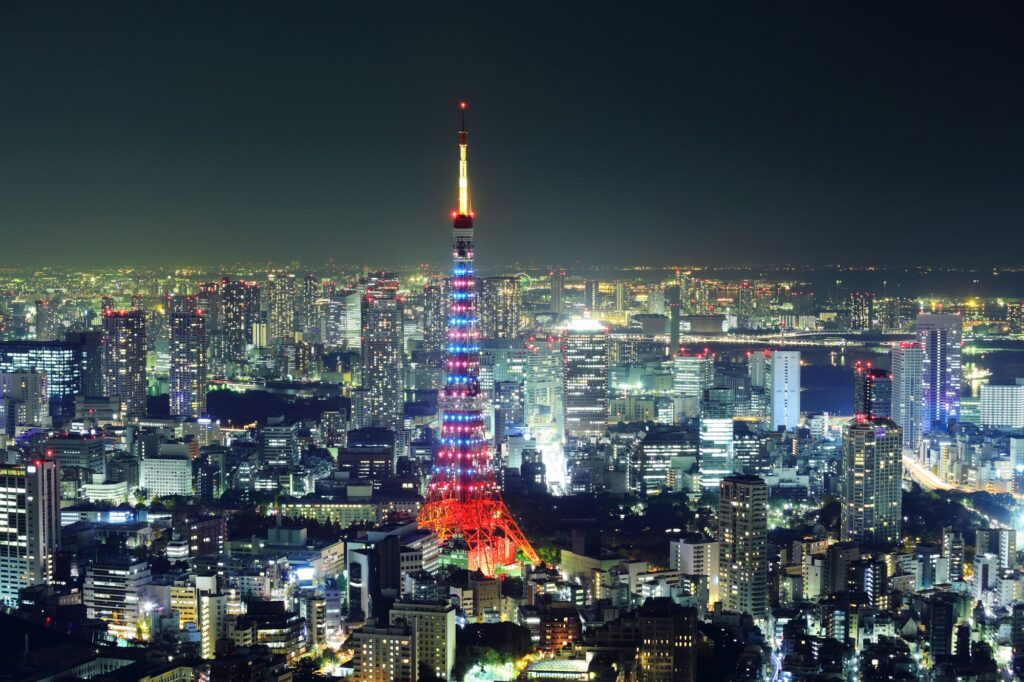
Winter and early spring are ideal for visiting Tokyo Tower, Meiji Shrine, and hot springs in nearby prefectures. March offers pleasant conditions for exploring Ueno Park and enjoying plum blossoms across the city.
⚠️ Weather Incidents
Tokyo occasionally experiences strong winter winds and heavy rain. Inland areas may see icy roads during cold snaps. March can bring sudden rainstorms and gusty winds as seasonal fronts shift.
Categories: Tokyo Winter Weather, Japan Seasonal Climate
Keywords: Tokyo January weather, Tokyo February climate, Tokyo March forecast
Source: https://www.jma.go.jp
Homepage: https://2daysweather.com
🌸 Weather in April–May–June
🌡️ Min and Max Temperature by Month
April temperatures range from 10–19°C as spring blossoms across Tokyo. May becomes warm and comfortable at 15–24°C, while June transitions into early summer humidity with temperatures between 19–27°C. These months mark the shift from mild spring breezes to the wetter rainy season.
🌦️ Types of Weather: Wind, Rain, Heat, and Conditions
April brings mild winds and increasing sunshine. May is generally stable with moderate rainfall. June marks the beginning of Japan’s rainy season, with humid air, cloudy skies, and frequent showers. Thunderstorms occasionally develop in late June as warm air masses strengthen over the Kanto region.
👕 Clothes to Wear
Light layers are ideal for April, such as long sleeves and light jackets. May allows for T‑shirts and breathable fabrics. By June, humidity rises, so quick‑dry clothing, umbrellas, and waterproof shoes become essential during the rainy season.
📈 Record Temperatures by Year
April has seen warm spikes above 27°C during early heat events. May occasionally reaches 30°C, signaling the approach of summer. June records show temperatures climbing above 33°C during strong warm fronts. These variations reflect Tokyo’s inland‑coastal climate mix.
🗺️ Places to Visit
April and May are perfect for visiting Ueno Park, Shinjuku Gyoen, and Meiji Shrine. June’s lush greenery makes the Sumida River promenades and forested trails in Okutama especially scenic, despite increased rainfall.
⚠️ Weather Incidents
Spring storms occasionally bring strong winds in April. May is typically calm, but June can experience localized flooding due to heavy rain. Landslides in mountainous areas west of Tokyo are a known risk during prolonged rainfall.
Categories: Tokyo Spring Weather, Japan Rainy Season
Keywords: Tokyo April weather, Tokyo May climate, Tokyo June rainy season
Source: https://www.jma.go.jp
Homepage: https://2daysweather.com
🌞 Weather in July–August–September
🌡️ Min and Max Temperature by Month
July temperatures range from 23–31°C with high humidity. August is the hottest month, often reaching 34–36°C during heatwaves. September begins to cool slightly, with temperatures between 20–28°C as autumn approaches.
🌦️ Types of Weather: Wind, Rain, Heat, and Conditions
July and August are dominated by intense humidity, strong sunshine, and frequent afternoon thunderstorms. Typhoon season peaks during this period, bringing heavy rain and strong winds. September sees more stable weather but still experiences occasional typhoon impacts across the Kanto region.
👕 Clothes to Wear
Light, breathable clothing is essential—short sleeves, UV‑protective fabrics, hats, and sandals. Hydration is critical during August’s extreme heat. For September, slightly cooler evenings may require a light jacket or long sleeves.
📈 Record Temperatures by Year
August has recorded extreme highs above 38°C during severe heatwaves. July and September have also seen temperatures surpass 34°C in inland areas. These records reflect Japan’s broader trend of increasingly hot summers.
🗺️ Places to Visit
Summer is ideal for exploring Tokyo Bay, Odaiba, and riverside fireworks festivals. August highlights include the Sumidagawa Fireworks Festival, one of Japan’s most famous summer events. September offers pleasant conditions for hiking in Okutama and enjoying early autumn scenery.
⚠️ Weather Incidents
Typhoons are the most significant hazard during these months, causing heavy rain, flooding, and strong winds. Heatstroke risks are high in July and August. September may bring lingering storm systems and sudden downpours.
Categories: Tokyo Summer Weather, Japan Typhoon Season
Keywords: Tokyo July weather, Tokyo August heat, Tokyo September climate
Source: https://www.jma.go.jp
Homepage: https://2daysweather.com
🍁 Weather in October–November–December
🌡️ Min and Max Temperature by Month
October brings mild autumn temperatures ranging from 13–22°C. November cools significantly to 7–16°C, and December marks the start of winter with temperatures between 2–11°C. Inland valleys cool faster, while central Tokyo remains slightly warmer due to urban heat effects.
🌧️ Types of Weather: Wind, Rain, Snow, and Conditions
October is generally stable with crisp air and moderate rainfall. November introduces stronger winds and more frequent rain as winter approaches. December sees colder winds from the north, increased cloud cover, and occasional light snowfall in western Tokyo.
🧥 Clothes to Wear
October requires light jackets and layered clothing. By November, thicker coats, scarves, and warm footwear become necessary. December demands full winter gear—insulated jackets, gloves, and waterproof shoes, especially for inland travel.
📈 Record Temperatures by Year
October has occasionally reached late‑season highs above 28°C during warm spells. November has seen early winter cold snaps dropping below 0°C. December records include severe cold events with temperatures falling below -5°C in western Tokyo.
🗺️ Places to Visit
October is ideal for autumn foliage at Shinjuku Gyoen and Rikugien Gardens. November offers scenic walks in Meiji Jingu Gaien’s ginkgo avenue. December highlights include winter illuminations in Shibuya and festive events at Tokyo Disneyland.
⚠️ Weather Incidents
October may experience the tail end of typhoon season, bringing heavy rain and strong winds. November can see sudden cold fronts and localized flooding. December occasionally brings icy roads and strong winter winds.
Categories: Tokyo Autumn Weather, Tokyo Winter Weather
Keywords: Tokyo October climate, Tokyo November weather, Tokyo December cold
Source: https://www.jma.go.jp
Homepage: https://2daysweather.com
🌟 Best Month and Worst Month
The best month to visit Tokyo is generally May, offering mild temperatures, low rainfall, and vibrant spring scenery. The worst month is typically August due to extreme heat, high humidity, and frequent typhoon activity across the Kanto region.
🗺️ Top 10 Places to Visit in Tokyo Prefecture
1. Tokyo Tower
2. Meiji Shrine
3. Shinjuku Gyoen National Garden
4. Ueno Park
5. Tokyo Skytree
6. Asakusa and Senso‑ji Temple
7. Odaiba Bay Area
8. Imperial Palace East Gardens
9. Shibuya Crossing
10. Tokyo Disneyland & DisneySea
✅ Conclusion
Tokyo Prefecture offers a dynamic climate shaped by coastal winds, inland geography, and seasonal monsoons. From cool winters to hot, humid summers and stunning autumn landscapes, the region provides diverse travel experiences year‑round. Understanding seasonal patterns helps visitors plan safe and enjoyable trips.
📘 Summary
Tokyo’s climate ranges from dry, crisp winters to hot, humid summers, with spring and autumn offering the most comfortable conditions. May stands out as the ideal month for travel, while August presents the harshest weather. With cultural treasures like Meiji Shrine and modern attractions such as Tokyo Skytree, the prefecture remains a rewarding destination in every season.
🔗 Links to Sources
Primary climate data and weather patterns are referenced from the Japan Meteorological Agency.
Source: https://www.jma.go.jp
Homepage for more forecasts: https://2daysweather.com
Categories: Tokyo Travel Guide, Japan Weather Overview
Keywords: Tokyo best month, Tokyo climate summary, Tokyo weather guide
Source: https://www.jma.go.jp
Homepage: https://2daysweather.com