News

News
Being a Mom in Japan Life Work and Childcare
Chūbu Region Japan

Being a Mom in Japan Life Work and Childcare

Interac is Japan’s largest private provider of ALT’s, and our mission is to enrich people’s lives through the sharing of languages and cultures. We bring the world closer together — one student, one school, one community at a time.

Living in Saitama Prefecture
Chūbu Region Japan

Living in Saitama Prefecture 18 Fun Things to Do

Interac is Japan’s largest private provider of ALT’s, and our mission is to enrich people’s lives through the sharing of languages and cultures. We bring the world closer together — one student, one school, one community at a time.

The Ultimate Guide to Robots and AI in Japanese Culture

Interac is Japan’s largest private provider of ALT’s, and our mission is to enrich people’s lives through the sharing of languages and cultures. We bring the world closer together — one student, one school, one community at a time.

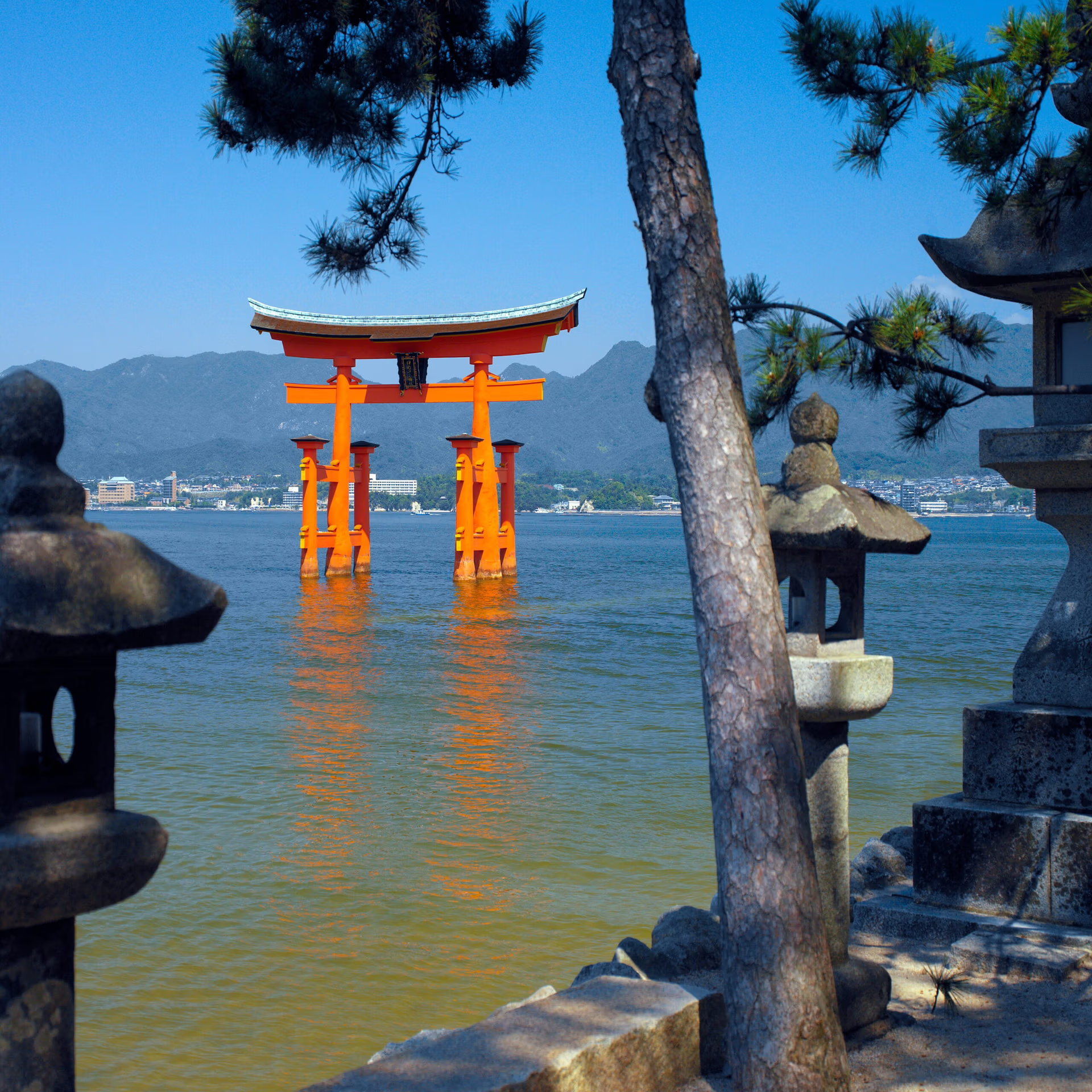
Traditional Japanese Clothing and Accessories
Chūbu Region Japan

Traditional Japanese Clothing and Accessories

Interac is Japan’s largest private provider of ALT’s, and our mission is to enrich people’s lives through the sharing of languages and cultures. We bring the world closer together — one student, one school, one community at a time.

The Most Beautiful Gardens in Japan
Chūbu Region Japan

The Most Beautiful Gardens in Japan

Interac is Japan’s largest private provider of ALT’s, and our mission is to enrich people’s lives through the sharing of languages and cultures. We bring the world closer together — one student, one school, one community at a time.

19 Amazing Things to Do in Kanazawa
Chūbu Region Japan

19 Amazing Things to Do in Kanazawa

Interac is Japan’s largest private provider of ALT’s, and our mission is to enrich people’s lives through the sharing of languages and cultures. We bring the world closer together — one student, one school, one community at a time.

The Ultimate Guide To Pokemon In Japan
Chūbu Region Japan

The Ultimate Guide To Pokemon In Japan

Interac is Japan’s largest private provider of ALT’s, and our mission is to enrich people’s lives through the sharing of languages and cultures. We bring the world closer together — one student, one school, one community at a time.

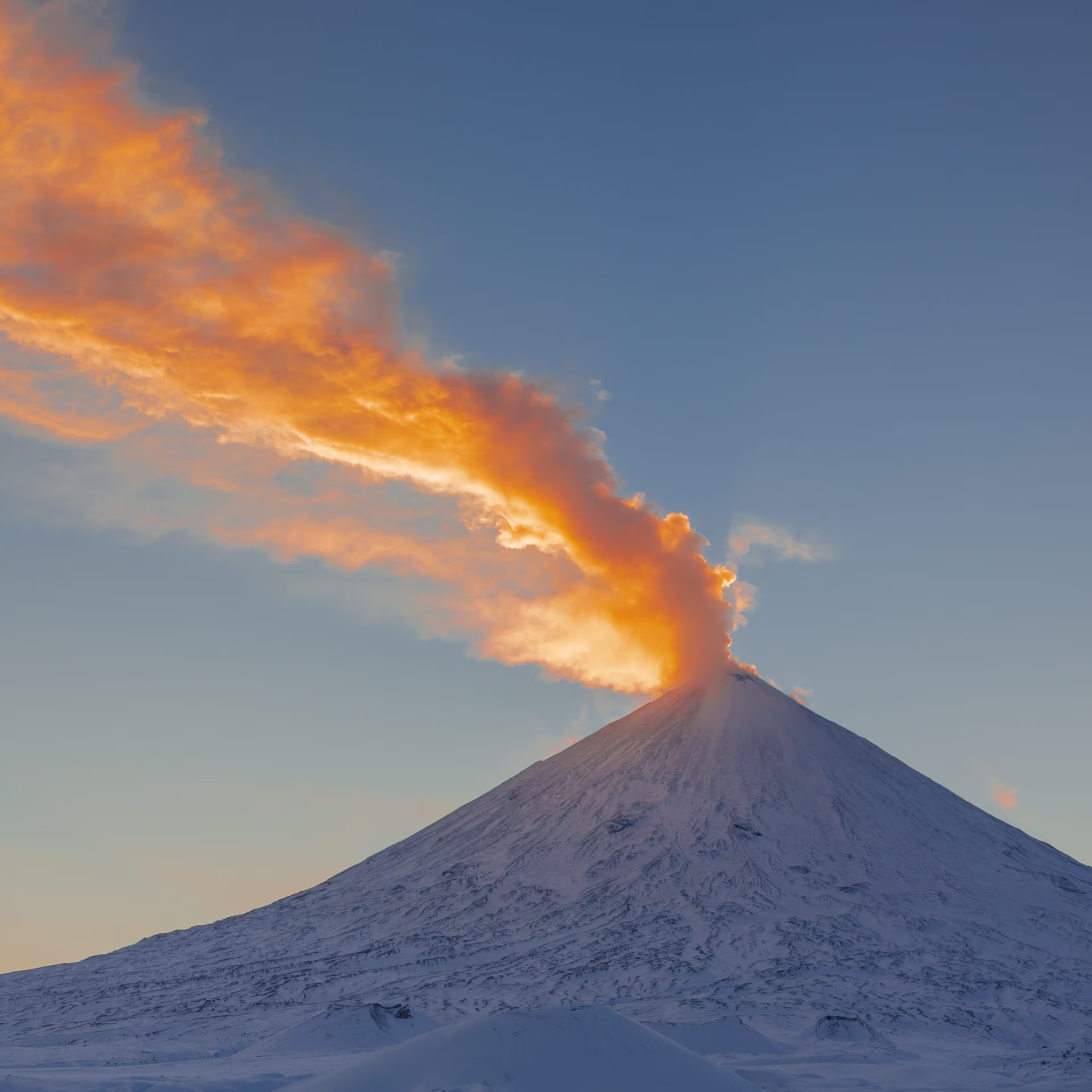
25 Amazing Volcanos In Japan
Free Japanese Articles

25 Amazing Volcanos In Japan

Interac is Japan’s largest private provider of ALT’s, and our mission is to enrich people’s lives through the sharing of languages and cultures. We bring the world closer together — one student, one school, one community at a time.

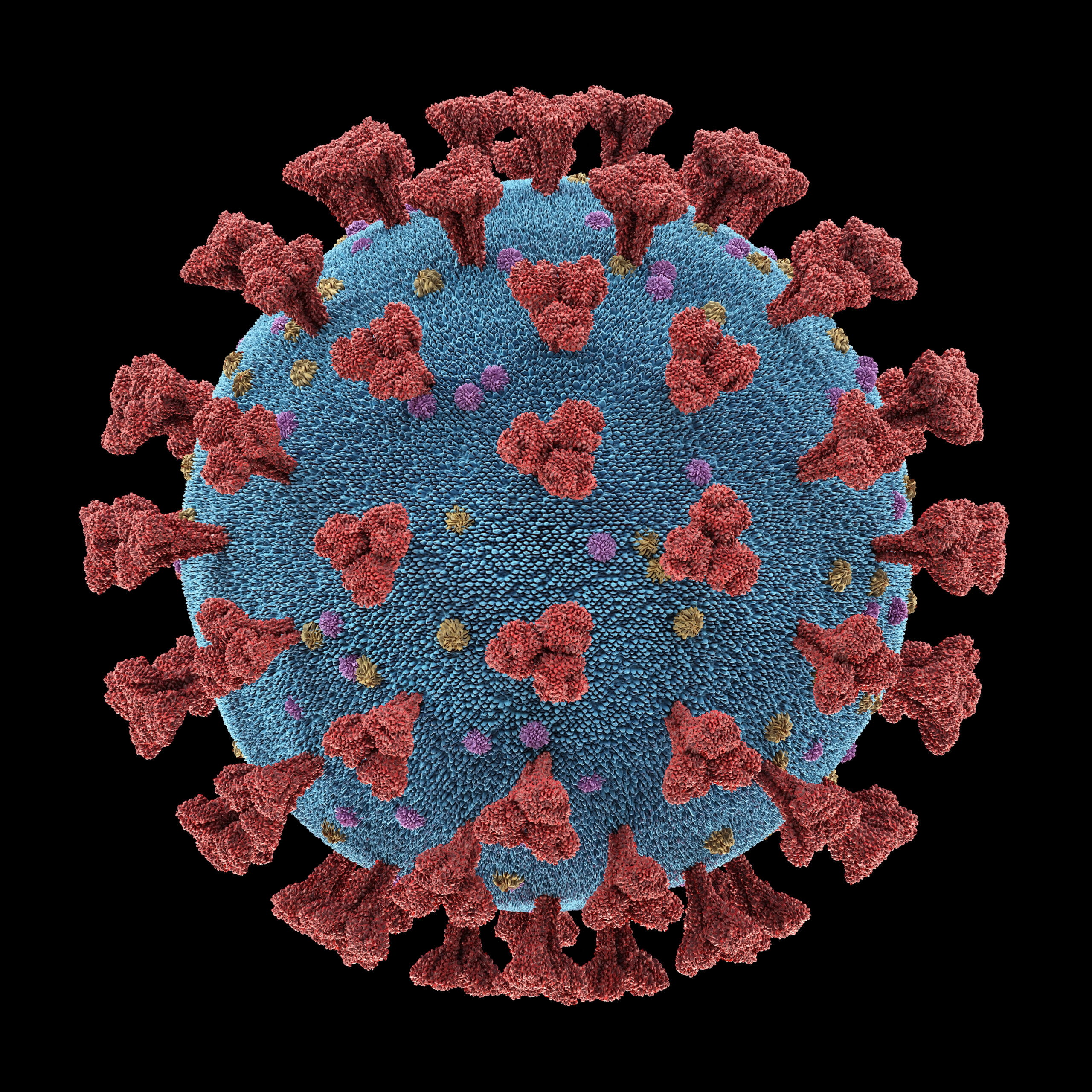
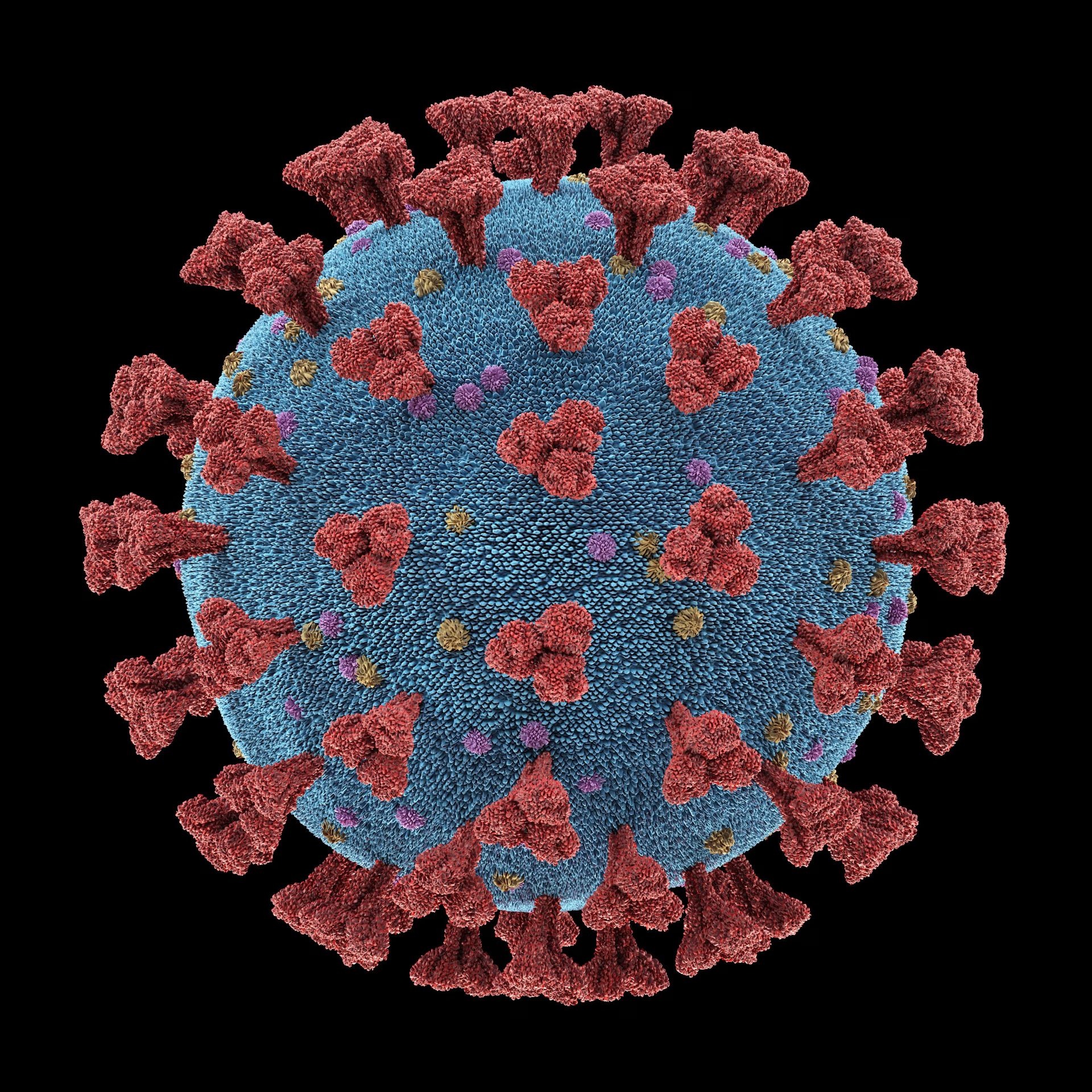
Coronavirus News Articles

Japan reports 54071 coronavirus cases

Tokyo Reports 9,482 New Coronavirus Cases as Infections Surge Tokyo reported 9,482 new coronavirus cases on Sunday, July 10, 2022, as infections continued to rise sharply across Japan. The figure was around two and a half times the number recorded in the capital one week earlier, providing another indication that the country was entering a new phase of the COVID-19 pandemic. The latest figures came as coronavirus infections were increasing in all 47 prefectures. Japan had seen relatively low infection numbers compared with previous peaks, but the rapid increase during July raised concerns about a new wave driven by the highly transmissible Omicron variants. Tokyo Cases More Than Double in One Week Tokyo’s 9,482 cases represented a substantial increase from the previous Sunday. The capital had recorded 3,788 new infections on July 3, meaning the latest figure was approximately 2.5 times higher in just seven days. The increase was part of a broader rise in infections rather than an isolated development in Tokyo. Health authorities were reporting week-on-week increases across every prefecture, with several major population centres also experiencing rapid growth. Osaka reported 5,081 new cases on Sunday, while Kanagawa Prefecture recorded 4,304 and Aichi Prefecture recorded 3,088. Oita and Tottori were among the prefectures reporting record numbers of cases. Japan’s nationwide total reached 54,046 cases for the day, according to figures reported at the time. The national increase demonstrated how quickly the rise in Tokyo was being reflected across the country. Japan Sees Signs of a Seventh Wave The increase was being described as the beginning of a possible seventh wave of coronavirus infections in Japan. All 47 prefectures had recorded week-on-week increases, according to health authorities. The rapid growth followed several months in which Japan had moved away from some of the restrictions that had been used during earlier stages of the pandemic. The country had also begun reopening to international visitors under controlled conditions in June. The rise in infections therefore presented a new challenge for authorities seeking to maintain economic and social activity while monitoring pressure on hospitals and other parts of the healthcare system. The number of confirmed cases alone did not provide a complete picture of the severity of the outbreak. Authorities were also monitoring hospitalisations, serious cases and deaths to determine how the new wave was affecting the healthcare system. Omicron Subvariants Drive Increase The rise in infections was occurring as Omicron subvariants continued to circulate in Japan. These variants were considerably more transmissible than earlier versions of the coronavirus, allowing infections to spread rapidly through communities. The increase was not limited to people who had never previously been infected. Japan was also seeing infections among people who had been vaccinated or had previously contracted COVID-19, reflecting the ability of Omicron variants to spread even when some level of immunity was present. At the same time, vaccination and previous infection provided important protection against severe disease for many people. This meant that the relationship between case numbers and serious illness was different from earlier stages of the pandemic. Health authorities therefore had to assess the speed of transmission alongside the number of patients requiring hospital treatment and the availability of medical resources. Other Major Japanese Cities Also See Increases Tokyo was not the only major population centre experiencing a significant rise. Osaka’s 5,081 cases placed the western Japanese metropolis among the areas recording large numbers of infections. Kanagawa, which borders Tokyo and includes Yokohama, reported 4,304 cases. Aichi, home to Nagoya and one of Japan’s major industrial regions, recorded 3,088. The simultaneous increases in several heavily populated prefectures were significant because they indicated that the rise was widespread. Rather than being concentrated in one metropolitan area, infections were increasing across different parts of Japan. Smaller prefectures were also affected. Oita and Tottori recorded their highest daily totals at the time, illustrating how the increase was reaching regions that had previously reported much smaller numbers. Daily Figures Were Closely Monitored The daily coronavirus figures were being watched closely by local and national authorities as they assessed whether the rapid increase would continue. A sustained rise could place additional pressure on hospitals even if the proportion of patients developing severe illness remained lower than during earlier waves. Officials were also aware that case numbers could be influenced by testing patterns. Confirmed cases represented infections detected through the testing system and did not necessarily capture every infection occurring in the population. Nevertheless, the consistent week-on-week increase across all 47 prefectures provided a clear indication that transmission was accelerating throughout the country. Tokyo’s increase was particularly significant because of the capital’s large population and its role as a major centre for business, tourism and transportation. Changes in infection levels in Tokyo can also influence case numbers in neighbouring prefectures as people travel between the capital and surrounding areas. International Travel Was Also Reopening The latest increase came shortly after Japan began reopening its borders to foreign tourists. From June 10, 2022, international visitors were permitted to enter Japan on package tours under specified conditions, following more than two years of strict border controls. The government had been gradually easing its COVID-19 measures as infections declined and vaccination coverage increased. The reopening was an important step for Japan’s tourism industry, which had suffered heavily during the pandemic. The renewed increase in domestic infections nevertheless meant that authorities had to balance the economic benefits of reopening with continued efforts to control transmission. At the time, there was no immediate return to the extensive restrictions used during earlier waves. Instead, authorities were emphasising vaccination, basic infection-control measures and monitoring of the situation. Japan’s Healthcare System Remains a Focus One of the main concerns associated with a rapid increase in infections was whether hospital capacity could cope with the additional number of patients. Even when a smaller percentage of infected people develop severe symptoms, a very large increase in total cases can still result in more hospital admissions. Japan’s health authorities were therefore monitoring hospital occupancy and the number of

Coronavirus News Articles

Japan reports 55018 new coronavirus cases

Japan Reports 55,018 New Coronavirus Cases as Infections Continue to Rise Japan reported 55,018 new coronavirus cases on Saturday, July 9, 2022, as COVID-19 infections continued to increase rapidly across the country. The latest national figure was more than double the number reported one week earlier, reflecting the accelerating spread of the virus during a new wave of infections. Tokyo accounted for 9,716 of the newly reported cases, while other major population centres also recorded substantial numbers. The increase was occurring across Japan, with several prefectures reporting their highest daily totals since the beginning of the pandemic. The latest figures came as Japan was experiencing a rapid resurgence in infections following a period when daily case numbers had fallen significantly. Health authorities were monitoring the situation closely as the increase coincided with the continued spread of the highly transmissible Omicron variant and its subvariants. National Cases More Than Double in a Week The 55,018 new cases represented a sharp increase from the previous week. The national figure was approximately 128 percent higher than the number recorded on July 2, meaning the number of newly confirmed infections had more than doubled in only seven days. The speed of the increase was particularly significant because it was being recorded across a wide area rather than being concentrated in a single prefecture. Four prefectures, including Tottori, Shimane, Ehime and Oita, recorded new daily highs. The widespread nature of the increase indicated that coronavirus transmission was accelerating throughout Japan. Authorities were therefore watching not only individual prefectures but also national trends in hospitalisations and serious cases. The latest total also came just days after Japan had begun seeing a substantial increase in cases in Tokyo and other major cities, suggesting that the new wave was gaining momentum during early July. Tokyo Records Another Significant Increase Tokyo reported 9,716 new coronavirus cases on Saturday. The capital had already been experiencing a rapid increase in infections, with the number of cases rising considerably compared with the previous week. The large number of infections in Tokyo was important because of the capital’s population density and its extensive connections with other parts of Japan. Millions of people travel through Tokyo for work, business, tourism and family visits, allowing respiratory viruses to spread between regions. Tokyo’s figures were being monitored alongside the number of patients requiring hospital treatment. Although Omicron had generally produced fewer severe cases than some earlier variants, a very large increase in infections could still result in additional hospital admissions. The capital’s increase therefore formed part of the broader national picture rather than being an isolated outbreak. Major Prefectures Also Report High Numbers Other heavily populated parts of Japan were also reporting substantial numbers of infections. Kanagawa recorded 4,304 cases, while Osaka reported 5,081 and Aichi reported 3,088. Fukuoka reported 2,757 new cases and Okinawa recorded 2,458. Chiba reported 2,593, while Saitama recorded 2,943. The figures showed that the increase was affecting both the Tokyo metropolitan area and other major urban centres. Kyoto reported 1,321 cases and Hyogo recorded 2,385. Kumamoto also recorded a substantial number, with 1,493 new infections reported during the day. The geographical spread of the increase was one reason officials were paying close attention to the national figures. Rising numbers in multiple regions can place pressure on healthcare resources at the same time, particularly if infections continue increasing for several weeks. Four Prefectures Set New Daily Records Several prefectures reported their highest numbers of new cases since the beginning of the pandemic. Tottori, Shimane, Ehime and Oita were among those recording new daily records. Tottori reported 297 new infections, while Shimane recorded 617. Ehime had 498 cases and Oita reported 668, according to figures compiled from prefectural announcements. Although these numbers were much smaller than the totals in Tokyo or Osaka, the records were significant for the individual prefectures because their populations are considerably smaller and their previous case totals had generally been lower. The increase in smaller prefectures also demonstrated that the new wave was not confined to Japan’s largest cities. Omicron Drives Another Wave of Infections The increase was taking place as Omicron and its subvariants continued circulating in Japan. These variants had demonstrated a strong ability to spread between people, contributing to rapid increases in cases in many countries. Japan had already experienced a major Omicron wave earlier in 2022. By July, however, infections had begun rising again after declining for several months. The new increase highlighted the continuing difficulty of controlling transmission even after vaccination campaigns and previous infections had provided significant levels of immunity in the population. Health authorities therefore continued to focus on the indicators that could show whether the rise in cases was translating into serious illness, rather than relying on confirmed infections alone. Hospitalisations Remain Important Indicator Daily case numbers were only one part of Japan’s assessment of the pandemic. Authorities were also monitoring hospitalisations, seriously ill patients and deaths to determine the effect of the new wave on the healthcare system. The characteristics of the Omicron wave meant that the number of people developing severe disease was generally lower than during some earlier stages of the pandemic. However, a rapid increase in infections can still result in a larger absolute number of patients needing medical care. Hospitals therefore continued preparing for the possibility that the growing number of infections would eventually lead to increased demand for beds and medical staff. This was particularly important in regions where healthcare capacity was more limited than in Tokyo and other major metropolitan areas. Japan Was Also Reopening to International Visitors The resurgence in infections came at an important moment for Japan’s economy. The country had begun reopening to international tourists in June after maintaining some of the world’s strictest border controls during much of the pandemic. The government had gradually eased restrictions as domestic infection numbers declined and vaccination coverage increased. The reopening was intended to support tourism and businesses that had suffered from the absence of overseas visitors. The increase in coronavirus cases did


Most Popular
Sponsor
Discount up to 45% for this road trip this month.
Special story from Japan

30 Japan Experiences to Add to Your Bucket List

Arcu luctus accumsan nisl sociosqu eu quisque. Parturient ex purus lectus porttitor taciti sollicitudin congue. Torquent nulla semper augue imperdiet pretium dapibus tellus bibendum. In lacinia curabitur integer efficitur mollis.

Ullamcorper convallis orci turpis ligula lectus blandit non consectetur mattis ipsum ridiculus. Penatibus condimentum posuere quam mollis letius efficitur. Ad cubilia gravida nec semper proin egestas imperdiet maximus sagittis diam sed. Porttitor est ad per suscipit sociosqu eros.

Latest Article
Sponsor
Discount up to 45% for this road trip this month.